Headless Development
Performance, flexibility, and control — without compromise
Headless architecture decouples the frontend from the backend, allowing businesses to achieve exceptional performance, flexibility, and editorial control — when implemented correctly.
We recommend headless when performance and page speed are business-critical, when your team has some technical confidence, and when you need the freedom to evolve frontend experiences independently.
When traditional platforms can't keep up
Traditional CMS platforms couple content management with frontend rendering. This works well for simpler sites, but creates bottlenecks when you need speed, flexibility, or multi-channel delivery.
Headless architecture removes those constraints, giving your team full control over both the content layer and the presentation layer — independently.
When headless makes sense
Headless isn't for everyone. We recommend it when performance and page speed are business-critical, when your team has some technical confidence, and when you need the freedom to evolve frontend experiences independently.
If your current platform feels limiting — slow to load, rigid to update, or difficult to customise — headless architecture may be the answer.
What headless actually enables
By separating content and commerce systems from the frontend, we can build fast, modern interfaces using frameworks like React or Next.js — without sacrificing usability for marketing teams.
We pair modern frontend frameworks with visual content tools like Builder.io, giving non-technical teams drag-and-drop editing without touching code.
Solving the SEO problem
JavaScript-heavy sites often struggle with SEO. We integrate tools like Prerender.io to ensure full server-side rendering and search engine indexability.
We also use feature-flagging tools like GrowthBook to roll out changes progressively, test variations, and minimise risk with every release.
What we focus on
Our headless development work typically includes:
- Frontend development (React, Next.js)
- Visual content editing workflows
- SEO-friendly rendering
- Feature flagging and experimentation
- Long-term flexibility and performance
Every build is designed for speed, control, and sustainability.
Who it's for
Businesses with ambitious digital requirements, performance sensitivity, and evolving frontend needs.
If speed, scalability, and editorial control are critical to your business, headless architecture delivers on all three.
The outcome
A high-performance, future-ready digital platform that balances power with control.
Your team gets the flexibility to iterate quickly, while your customers get an experience that loads fast and feels seamless.
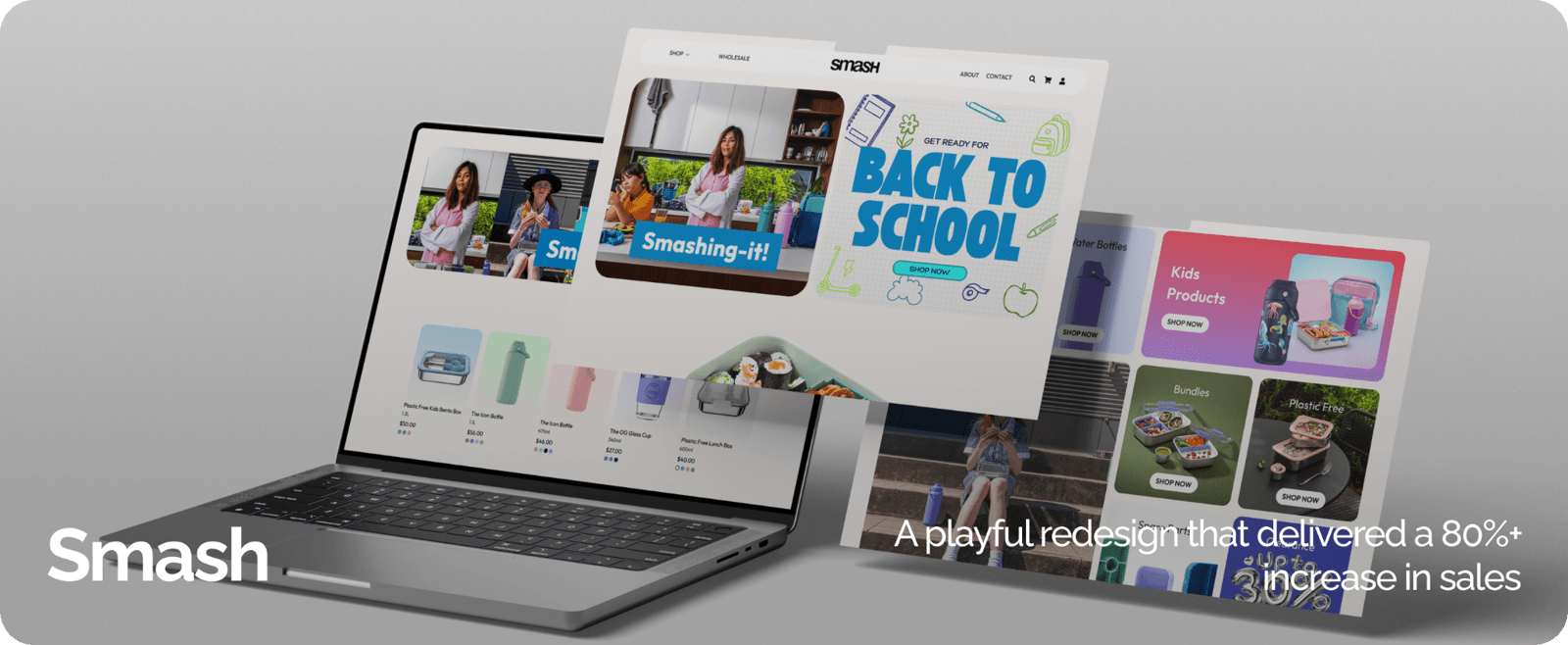
Smash
Playful UX that delivers serious growth
A bold eCommerce redesign that transformed browsing into buying. Through interactive UX, product customisation and conversion-led design, Smash achieved 80%+ sales growth, higher order values and a standout brand experience.
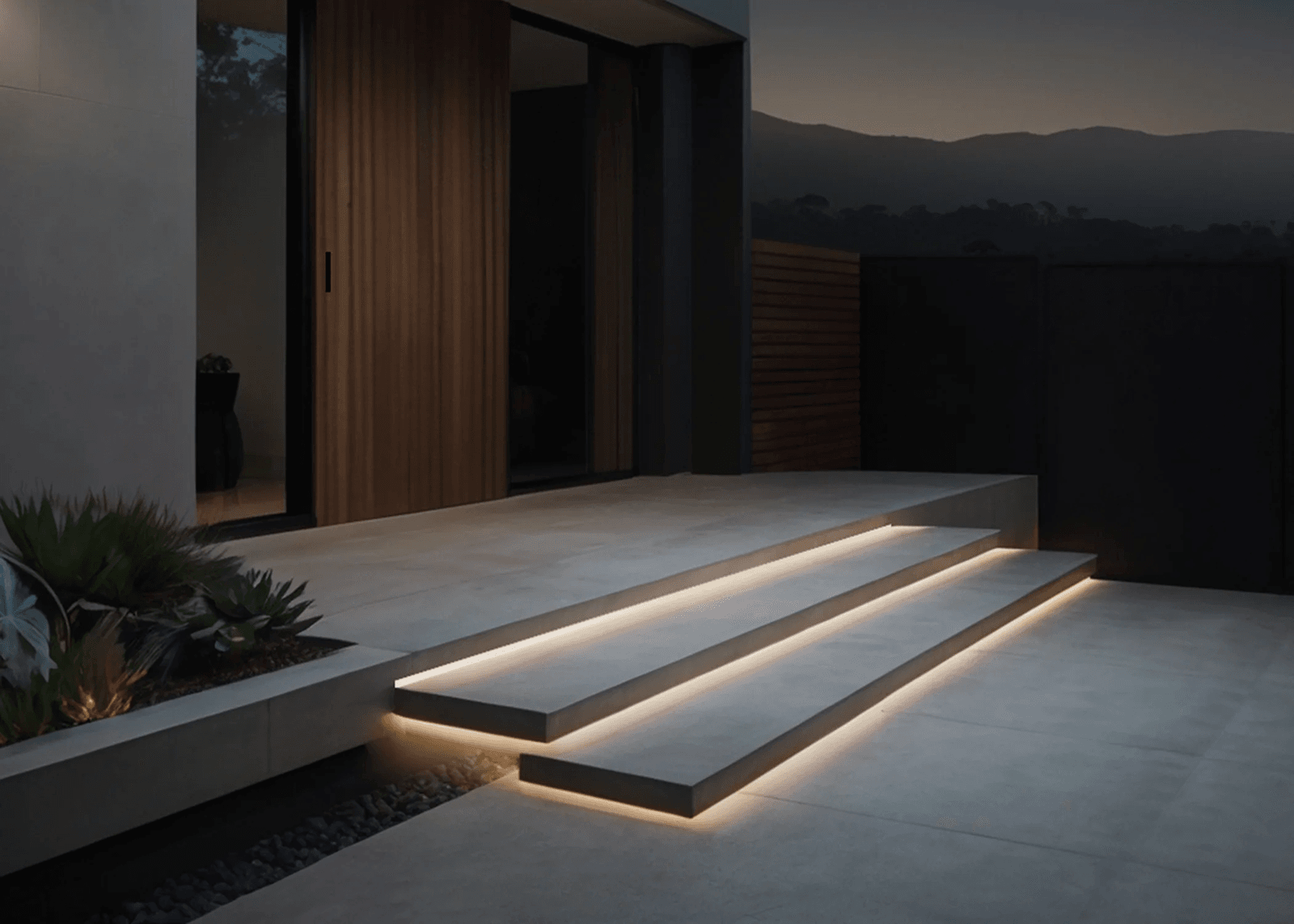
Australian Lighting
Project Description
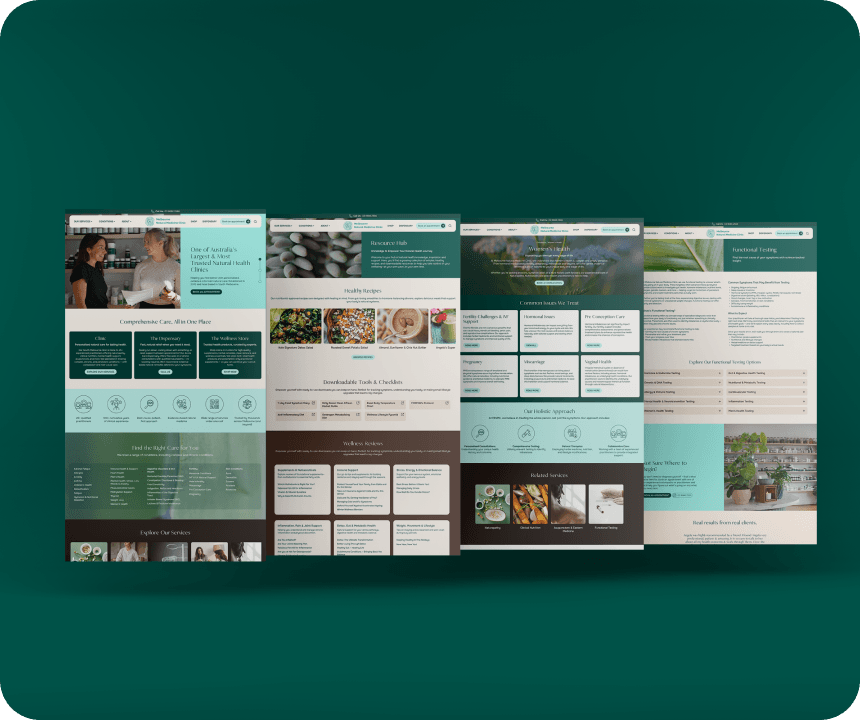
Melbourne Natural Medicine
Clarity, empathy and structure — redesigned to convert
A complex, content-heavy medical website reimagined with user empathy at its core. By restructuring information, improving discoverability and rewriting content to validate patients, enquiries increased by 566%.